Tel:
+86 19732304298

What are you looking for?
For pickup trucks, chrome bumpers are usually the better choice when you want to match the original metallic finish, avoid post-installation painting, or serve a traditional utility-focused market. Painted or primed bumpers are more suitable when color matching, customization, and easier local refinishing are priorities. Neither finish is inherently better in every situation—the right choice depends on vehicle fitment, operating environment, repair practices, and customer expectations.
Beyond appearance, chrome vs painted bumpers differ in corrosion protection, maintenance, repairability, customization, and replacement cost. For aftermarket distributors and repair shops, these differences can also affect inventory planning, transportation protection, and total sourcing cost.
This guide compares chrome and painted pickup bumpers across the factors that matter most, helping vehicle owners, repair professionals, importers, wholesalers, and aftermarket buyers choose the right replacement bumper for their application.
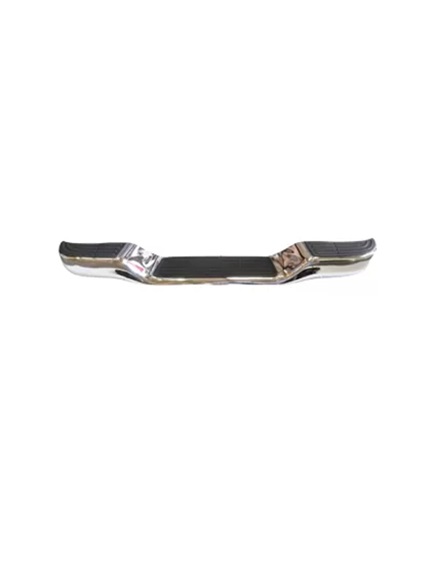
A chrome bumper is typically a steel bumper with a chrome-plated surface that creates a bright, reflective metallic finish. It is widely used on pickup trucks, SUVs, and commercial vehicles, particularly where buyers prefer a traditional utility-focused appearance.
Compared with painted bumpers, chrome bumpers require no color matching and can provide a durable finished surface when the plating process is properly controlled. However, the final performance still depends on manufacturing quality, accurate fitment, and the condition of the surface coating.
For replacement applications, buyers should prioritize vehicle compatibility and production quality rather than choosing a bumper based on appearance alone. HUAERFEI supplies chrome bumpers for pickup trucks for vehicle-specific aftermarket replacement applications.
A painted bumper features a coated surface rather than exposed chrome plating. Depending on the application, it may be supplied:
Fully painted in a finished color
Coated in black
Primed and ready for painting
Matched to the vehicle body color
Painted bumpers are increasingly common on newer pickups because they blend more naturally with modern body designs. For distributors and repair shops, primed bumpers offer extra flexibility—final color can be matched locally to the customer’s vehicle.
Paint quality depends heavily on surface preparation, coating thickness, adhesion, and application process. Poor preparation can lead to peeling, bubbling, fading, or corrosion under the coating.
The main difference is the surface finishing method, but this influences several practical characteristics.
| Feature | Chrome Bumper | Painted Bumper |
|---|---|---|
| Appearance | Bright, reflective metallic finish | Body-color, black, or customized finish |
| Corrosion Protection | Good when plating is properly applied | Depends on coating and surface preparation |
| Scratch Visibility | Small scratches may be noticeable on reflective surface | Depends on paint color and scratch depth |
| Repairability | Damaged plating may require refinishing or replacement | Often easier to repaint locally |
| Customization | Limited finish options | Wide color flexibility |
| Typical Application | Utility pickups, classic designs, replacement market | Modern pickups, body-color styling |
| Maintenance | Requires cleaning to preserve finish | Requires paint-care similar to body panels |
The best option depends on how the pickup will be used and what the end customer expects from the replacement part.
Both finishes can provide solid corrosion protection when manufactured correctly.
Chrome bumpers rely on the quality and consistency of surface preparation and plating. Deep damage that exposes the base metal can eventually allow corrosion to develop.
Painted bumpers depend on primer, paint, and any additional protective layers. Once the coating is breached, the underlying steel becomes vulnerable.
Operating environment matters significantly. Pickups used in high-humidity areas, coastal regions, road-salt zones, muddy conditions, or construction/mining environments face higher corrosion risk. In these markets, evaluate the full manufacturing and finishing process rather than assuming one finish is automatically superior.
Painted bumpers generally offer more flexibility for cosmetic repairs. Minor scratches can often be sanded and repainted by a local body shop. Primed bumpers further simplify color matching.
Chrome repair is more complex when plating is deeply scratched, peeling, or impact-damaged. Restoring the original chrome appearance usually requires specialized replating, so replacement is often more practical in aftermarket situations.
Chrome surfaces are relatively easy to clean in daily use. Regular removal of dirt, road salt, and contaminants helps maintain appearance.
Fleet operators and distributors should weigh maintenance expectations against replacement cost.
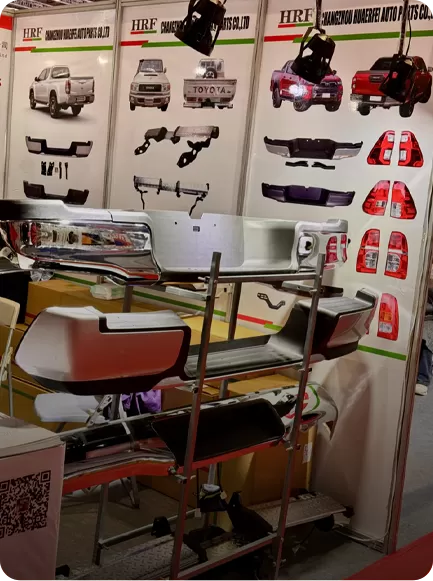
HUAERFEI's pickup bumper range covers multiple pickup applications and includes chrome, front, and rear bumper replacement options.
| Choose a Chrome Bumper When | Choose a Painted or Primed Bumper When |
| The original vehicle uses a chrome finish | Body-color styling is common |
| Customers prefer a traditional pickup appearance | Repair shops prefer local color matching |
| The bumper is sold as a direct replacement part | Greater finish customization is needed |
| Metallic styling is popular in the local market | The same design will be sold in multiple colors |
| Post-installation painting is not desired | Easy cosmetic repair is a priority |
B2B buyers should also consider packaging. Chrome surfaces can be scratched during transportation, while painted surfaces can also suffer chips or abrasion. Protective film, foam, reinforced cartons, and secure internal positioning are therefore important for export shipments.
| Check with Supplier | Provide When Requesting a Quotation |
| Vehicle application & model-year fitment | Vehicle brand |
| Material and thickness | Vehicle model |
| Stamping & dimensional accuracy | Production year |
| Welding quality (if applicable) | Front or rear bumper |
| Surface treatment consistency | Preferred finish (chrome / painted / primed) |
| Mounting-hole alignment | Estimated quantity |
| Packaging protection | Destination market |
| Sample approval process | Packaging requirements |
| OEM / private-label capability | OE number, photos, or samples (if available) |
Not automatically. Durability depends on the base material, manufacturing quality, surface treatment, operating environment, and maintenance. Both finishes can provide long service life when correctly produced.
Chrome plating provides corrosion resistance, but severe scratches, damaged plating, or long-term exposure to aggressive environments can eventually allow corrosion to reach the underlying metal.
Yes, but the chrome surface usually requires proper preparation to achieve reliable paint adhesion. Simply applying paint directly over an untreated chrome surface may result in poor adhesion.
In many cases, yes. Local body shops can often repair and repaint cosmetic damage more easily than they can restore damaged chrome plating.
Choose the finish that matches the original vehicle, customer preference, operating environment, and local repair practices. Correct vehicle fitment should take priority over finish alone.
Looking for reliable pickup bumpers? HUAERFEI supplies vehicle-specific chrome, front, and custom rear bumpers for popular pickup applications, with support for bulk orders, fitment verification, customized packaging, and OEM requirements.