Tel:
+86 19732304298

What are you looking for?
The coolant expansion tank is an essential component of a vehicle's cooling system, designed to manage the coolant's expansion and contraction as it heats and cools. As vital as this part is, its malfunction can lead to significant issues for your vehicle. Recognizing the symptoms of a failing coolant expansion tank can prevent serious damage to your engine. This article aims to educate readers on the signs of a bad coolant expansion tank, focusing on overheating indicators, visible cracks and leaks, coolant level fluctuations, engine performance issues, and diagnostic steps. Whether you're facing problems with your coolant reservoir tank replacement or exploring other related automotive components like the front and rear bumper or mud flaps, understanding these signs can help maintain your vehicle's health and longevity.
One of the most straightforward signs of a failing coolant expansion tank is overheating. If the tank cannot effectively contain and manage the coolant as it heats, the engine may start to overheat. This risk is heightened if the tank suffers from leaks or cracks, allowing coolant to escape. An overheating engine can lead to severe issues like warped metal components, blown head gaskets, or even total engine failure.
It's crucial to monitor the engine temperature gauge closely. A consistently high reading may suggest issues with the cooling system, possibly pointing to problems with the coolant reservoir. Regular checks can prevent the need for complex interventions like a full replacement bumper due to severe overheating damage to the front end of the vehicle.
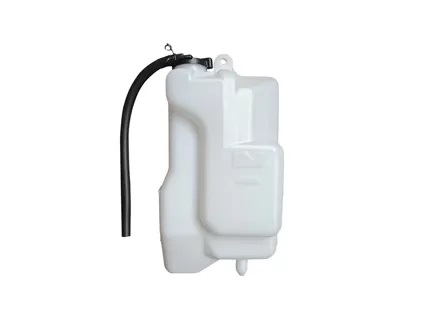
Cracks and leaks in the coolant expansion tank are unmistakable indicators of a failing tank. These physical damages are often due to prolonged wear and tear or exposure to aggressive driving conditions. When inspecting the tank, look for any visible signs of coolant leakage or cracking on the tank material itself.
To assist in this inspection, place a white cloth under the tank area overnight. If you notice any coolant on the cloth in the morning, it may be time to consider a coolant overflow tank replacement. Addressing cracks promptly can help avoid further complications, such as additional stress on components like the rear tail light replacement or right tail light, due to unexpected leaks.
Fluctuations in coolant levels might indicate a malfunctioning coolant expansion tank. If you constantly need to refill the tank, yet there's no visible leakage on external inspections, internal issues with the tank or its connections might be at play. It could also mean problems elsewhere in the cooling system.
A regular check and maintenance schedule, possibly coinciding with coolant container replacements or full system flushes, can identify and fix these issues. Doing so will prevent related complications to other parts like the rear bumper replacement or steel front bumper, by maintaining the vehicle's overall cooling efficiency.
Another symptom of a problematic coolant expansion tank is when engine performance is compromised. A lack of sufficient coolant circulation due to a faulty tank can lead to a drop in engine efficiency, resulting in sluggish acceleration and reduced power output.
Ensuring your cooling system and related parts like the front bumper replacement work in harmony is critical. Regularly inspecting these components, from front bumpers for trucks to truck bumper guards, is essential in maintaining optimal engine performance and avoiding expensive repairs later on.
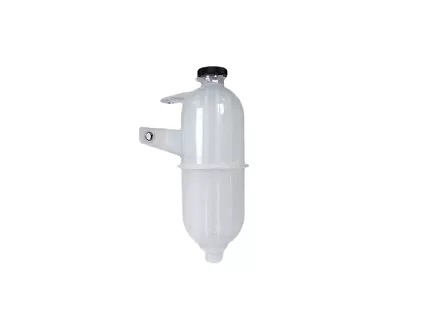
Conducting regular diagnostics can aid in early detection of a bad coolant expansion tank. Start by examining the coolant levels and look for visible signs of emissions, listen for unusual noises when the engine is running, and feel for unusual vibrations.
Following these steps reliably can prevent major faults that may extend to other areas like the front headlight or light led truck setups. By integrating these diagnostics into routine checks along with mudflaps for trucks or front and rear bumper systems inspections, vehicle reliability improves significantly.
In conclusion, understanding the signs of a malfunctioning coolant expansion tank is critical for vehicle safety and performance. Regularly inspecting, maintaining, and replacing necessary components like coolant overflow reservoir or rear back light ensures a smooth, efficient running vehicle. Attending to these needs prevents escalation of issues to core parts such as the front bumper and beyond.

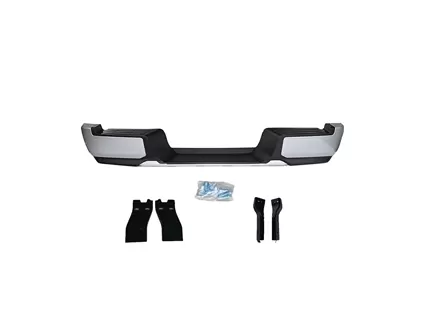
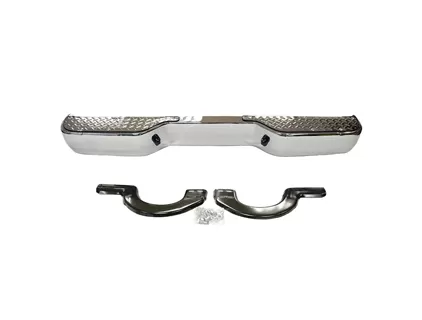
.png "How to Choose the Right Rear Bumper for Your Isuzu Pickup")